Amrita Limbu presents at the PSA Conference 2024 – Witness to Harm

Amrita Limbu presents at the PSA Conference 2024 - Witness to Harm

FRIDAY 18 OCTOBER 2024

On 17th October 2024, Amrita Limbu presented a paper at the PSA Conference on Witness to Harm held at the Abbey Centre in London.  The Conference hosted by Professional Standards Authority was attended by different regulators related to the healthcare sector, academics and researchers, and other individuals and organisations interested in improving regulation and registration for patient safety and public protection through research.

Amrita presented the paper ‘Fitness to Practise: Implications for Migrant Healthcare Professionals’ Safety in the UK‘.

Marie-Andrée Jacob, Priyasha Saksena, and Amrita Limbu secure the Global Impact Acceleration Awards

Marie-Andrée Jacob, Priyasha Saksena, and Amrita Limbu secure the Global Impact Acceleration Awards

MONDAY 30 SEPTEMBER 2024

Marie-Andrée Jacob, Priyasha Saksena, and Amrita Limbu have been awarded £11,340 by the Global Impact Acceleration Awards (GIAA) for the project ‘Making it to the Registers: Using Visual Representations to Tell Stories of Migrant Healthcare Workers’.

The Making it to the Registers team collaborates with Petroglyph Studios, a Canadian comics creation studio, to create a graphic novel, poster, and booklet to share findings from the project in accessible formats. The project also has the support of two project partners BAPIO (British Association of Physicians of Indian Origin) and ReSTORE.

BAPIO has 25 years of experience campaigning, lobbying and litigating on behalf of overseas-trained doctors and nurses from South Asia, Europe, Africa and the Caribbean. 

Founded in 2022, ReSTORE trains refugee nurses to pass English language and clinical skills tests and supports them to navigate cultural and institutional differences between their own country of registration and the UK nursing profession.

The Challenges of Active Recruitment Policies for the Moroccan Healthcare System

This image is the logo of UKRI Aerts and Humanities Research Council

The Challenges of Active Recruitment Policies for the Moroccan Healthcare System

MONDAY 2 SEPTEMBER 2024

By Finola Durnin-Duffy, Laidlaw Undergraduate Leadership and Research Scholar, University of Leeds

I spent last year in Morocco studying Arabic and while I was there, I became interested in the healthcare system. I heard a lot of anecdotes of people taking German classes in order to move to Germany, specifically to work as nurses. This got me thinking about the migration of healthcare workers, and the effect that active recruitment has on developing countries such as Morocco.  In recent years the Moroccan healthcare system has undergone many changes, new policies and funding systems have been implemented with the aim to improve overall access to healthcare and the health of Moroccans. There is a focus on those disproportionately affected by health challenges such as living in rural areas and being vulnerable to poverty due to low income. Additionally, Morocco must balance maintaining its healthcare workforce while competing with higher paying opportunities available in countries such as Germany. It is important to consider the severity of the obstacles that are currently facing Morocco’s healthcare system, in order to understand the impact caused by active recruitment of healthcare professionals from Germany and other European countries.

The issues that all Moroccans face in relation to healthcare disproportionately affect those living in rural areas. In 2006 only 16% of Moroccans were covered by health insurance – with this rate being even lower in rural areas (Boutayeb, A. 2006). Additionally, access to healthcare is affected by the quality of infrastructure. The disparity between urban and rural areas was highlighted most recently in 2023 when the Marrakech-Safi earthquake devastated numerous rural towns as well as damaging parts of the historic Medina in Marrakech. The city was not as badly affected as the surrounding towns partly due to its distance from the epicentre but also due to the fact that most buildings in the centre met modern building standards, which is not the case for the buildings in the affected settlements like the town of Tafeghaghte (Rafferty, J.P. 2023). The areas most affected by the earthquake were located in the hills where the roads are considered poor quality. The earthquake rendered many of the roads impassable during the critical period when many were in need of relief and aid. This undoubtedly contributed to the number of fatalities; reportedly even up to 5 days after the earthquake some survivors had still not been reached with the necessary relief supplies such as food, water and tents (Rafferty, J.P. 2023).

The Moroccan government was criticised for its handling of the situation after the earthquake, adding to the claims that poor governance is an issue that still needs to be addressed within the Moroccan health care system (Mahdaoui, M. and Kissani, N. 2023).

Furthermore, there is a lack of healthcare professionals working in rural areas, with over 80% of them practising in cities, despite the fact that the majority of the population resides in rural areas (Zahouani, C. et al. 2022). Arguably this is due to the fact that rural areas in Morocco are not attractive in terms of professional development.

This phenomenon is exacerbated in rural areas, where there is a lower proportion of healthcare professionals. There remains a significant unreliability in the delivery of medications, as well as a lack of technical equipment, both of which compromise the quality of medical care that can be delivered (Zahouani, C. 2022). As a training or newly qualified doctor, the concept of treating patients without the appropriate equipment or medicine is unappealing and would likely lead to most cases from rural centres being transferred to urban centres. Furthermore, many Moroccan doctors choose to specialise, potentially due to the higher wages, and this training must take place in the properly-equipped and educational urban centres. Overall, the working conditions in rural centres are poor due to the existing lack of staff, appropriate equipment, medicines and facilities. Poverty in these areas (Boutayeb, A. 2006) may contribute to increased rates of disease meaning that doctors in rural centres will face bigger challenges in regards to treating patients and professional development. These factors mean young doctors are unlikely to choose these areas as their place of work.

In addition, many Moroccan healthcare professionals complete their training in Morocco, free of charge, only then to migrate abroad (Zbiri, S. 2024), particularly to Europe, in order to obtain a higher salary (Idrissi, B.I. et al. 2023). According to the Statista Research Department (2024), there was 7.2 doctors per 10,000 people in Morocco in 2019 compared to the average of 2.9 doctors per 1,000 people as calculated by the BMA (British Medical Association, 2021). The efforts of the Moroccan government to improve these ratios risk being thwarted by the emigration of qualified doctors and nurses.

Germany has previously been criticised for its active recruitment of healthcare workers, particularly from across the Balkans. Health officials in countries such as Bosnia have expressed concerns that there would be a severe lack of trained medical staff in the near future (Reuters, 2017). According to the Agency for Labour and Employment, in 2016, 10,000 Bosnians applied for work permits in Germany. According to Reuters, nurses at this time were paid between 250-400 euros per month in Bosnia and Serbia, compared to a starting salary of 1,500 euros in Germany. This wage gap begins to explain the number of healthcare professionals who responded to Germany’s 2016 call for foreign workers. Germany aimed to fill gaps in its labour markets by adjusting the visa process for foreign workers.

Despite criticism, Germany has continued to adapt its policy in order to facilitate the registration of international health workers. The skilled worker immigration law Fachkräfteeinwanderungsgesetz approved in July 2023 allows international workers fitting certain criteria to travel to Germany in search of work. This law makes it easier for those with experience or a degree in a skilled profession to settle in Germany (International Health Policies, 2023). Nurses and those with some nursing experiences are able to search for employment in Germany. Germany voluntarily adheres to the WHO Global Code of Practise on the International Recruitment of Health Personnel, which aims to ensure the strengthening of health systems by discouraging the recruitment of health workers from the 57 ‘red-listed countries’. Therefore, when German government officials visited Ghana, one of the red-listed countries, certain news agencies speculated that they were considering healthcare recruitment from Ghana. Germany is not the only country that has to be mindful of recruitment from red listed countries. In 2023 the independent Migration Advisory Committee (MAC) released its annual report stating that roughly 35% of doctors and 20% of nurses recruited to the UK are from ‘red list’ countries such as Bangladesh, Pakistan, Nigeria, Zimbabwe, and Ghana. The report stated it is possible that ‘social media algorithms’ are encouraging workers from red listed countries to migrate to the UK.

There is a lack of statistical data and few studies addressing the issue of Moroccan healthcare workers emigrating to Europe. It is apparent that there are many national causes that motivate healthcare professionals from low- and middle-income countries, such as Morocco, to relocate to European countries like Germany. While Morocco has made policy changes that stipulate that qualified health professionals must stay in Morocco to work for a set period past qualifying, it is still experiencing high levels of emigration of healthcare professionals (Sylla, A. et al.). Morocco is not on the WHO ‘red-list’ which emphasis even further the impact that active recruitment has on all countries, even those not considered high risk. These observations highlight the importance of ethical recruitment in all cases and adherence to the WHO code. The question for Morocco, like many other developing countries, is how to balance the right of an individual to move freely and the needs of the national healthcare system in which they are investing.

Bibliography

Anon. www.make-it-in-germany.com. (n.d.). Working, studying, Living in Germany. [online] Available at: https://www.make-it-in-germany.com/en/.

Boutayeb, A. 2006. Social Inequalities and Health Inequity in Morocco. International Journal for Equity in Health. 5(1).

Idrissi, B.I., Kawkaba, S. and Taya, H. 2023. L’intention Migratoire Des Professionnels De La Santé Publique Au Maroc : Résultats D’une Enquête. International Journal of Accounting, Finance, Auditing, Management and Economics. 4(3-2), pp.121–142.

Mahdaoui, M. and Kissani, N. 2023. Morocco’s Healthcare System: Achievements, Challenges, and Perspectives. Cureus. 15(6), p.e41143.

Rafferty, J.P. 2023. Morocco Earthquake of 2023 | Description, Geology, Deaths, & Facts | Britannica. www.britannica.com. [Online]. Available from: https://www.britannica.com/event/Morocco-earthquake-of-2023.

Sax dos Santos Gomes, L. 2023. Is the recruitment of foreign trained health professionals the solution to Germany’s health care crisis? International Health Policies. [Online]. August 3rd. [Accessed 01 August 2024]

Sito-Sucic, D. 2017. Nurses, doctors leave Balkans to work in Germany. Reuters. [Online]. 9 March. [Accessed 01 August 2024] Available from: https://www.reuters.com/article/business/healthcare-pharmaceuticals/nurses-doctors-leave-balkans-to-work-in-germany-idUSKBN16G18W/

 Statista Research Department. https://www.statista.com/statistics/1266549/number-of-doctors-and-paramedics-per-10000-inhabitants-in-morocco/#:~:text=Number%20of%20doctors%20and%20paramedics%20per%2010%2C000%20inhabitants%20in%20Morocco%202019&text=As%20of%202019%2C%20there%20were,doctors%20in%20the%20same%20year.

Sylla, A., El Ouadih, S., Barknan, K., Hassoune, S. and Nani, S. (2021). Migration intention of final year medical students. European Journal of Public Health, [online] 31(Supplement_3). doi:https://doi.org/10.1093/eurpub/ckab165.448.

ZAHOUANI Chadia, ANNAJI Hassane and Ahmed, O. 2022. Rural Development Strategies and Retention of Health Care Personnel in Rural and Landlocked Health Facilities in Morocco: Inventory. Zenodo (CERN European Organization for Nuclear Research). 3(14).

Zbiri, S. 2023. The Right to Health in Morocco [Online]. [Accessed 16 May 2024]. Available from: https://annd.org/uploads/publications/Right_to_health_in_Morocco_Key_issues_and_challenges_Saad_Zbiri_PhD_En.pdf.

Marie-Andrée Jacob and Priyasha Saksena present at the 26th British Legal History Conference

Marie-Andrée Jacob and Priyasha Saksena present at the 26th British Legal History Conference

FRIDAY 5 JULY 2024

On 3rd July 2024, Marie-Andrée Jacob and Priyasha Saksena presented at the 26th British Legal History Conference. The conference was organised by Professor Gwen Seabourne and Dr Joanna McCunn and hosted by the University of Bristol Law School from 3 to 6 July on the theme of ‘Insiders and Outsiders in the History of Law’.

Marie and Priyasha presented the paper ‘Beyond Registration: Medical Refugees, Professional Organizations, and British Immigration Policy, 1932-1940‘.

Amrita Limbu presents at the 21st IMISCOE Annual Conference

Amrita Limbu presents at the 21st IMISCOE Annual Conference

FRIDAY 5 JULY 2024

On 3rd July, Amrita Limbu presented a paper at the 21st IMISCOE Annual Conference Migration as a Social Construction A Reflexive Turn. The Conference was hosted by Iscte – University Institute of Lisbon from 2 to 5 July in Lisbon and Online.

Amrita presented the paper ‘Gender, Migration, and Registration: Migrant Professionals in Medicine in the UK‘ at the panel ‘Migration and the Labour Market‘.

Priyasha, Marie, and Amrita present at MMU Shifting Dynamics in Medical Law workshop

This is an image of a poster for Shifting Dynanmics in Medical Law presentation

Priyasha, Marie, and Amrita present at MMU Shifting Dynamics in Medical Law workshop

FRIDAY 21 JUNE 2024

This is an image of a poster for Shifting Dynanmics in Medical Law presentation

On 19th June 2024, the Making it to the Registers project team Priyasha Saksena, Marie-Andrée Jacob, and Amrita Limbu presented at the Shifting Dynamics in Medical Law workshop organised by Dr Beverley Clough and Dr Anna Nelson. The workshop was attended by over 20 participants whose work bordered on the boundaries of medical law and was hosted by the Manchester Metropolitan University.

The team discussed the paper ‘The Migrant Healthcare Worker: Documenting Professional Expertise in the UK‘ in the session on Actors.

Carers on the Move, interactive talk at the Migration Matters Festival

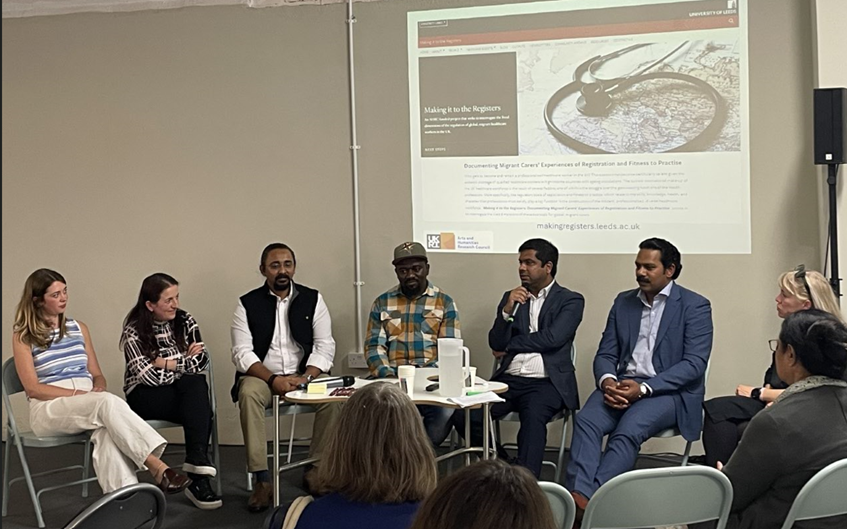
This is an image of The project team Marie-Andrée Jacob, Priyasha Saksena, Nasreen Ali, Rukia Saleem, and Amrita Limbu were joined by Emma Matthews and Blerta ILAZI Ilazi from our project partner organisation ReSTORE, Nelson Enah (nurse), Dr Manou Sundararaj, Irfan Ahmad (nurse), and Richie Chacko (nurse) at the Carers on the Move event.

Carers on the Move, interactive talk at the Migration Matters Festival

FRIDAY 21 JUNE 2024

This is an image of The project team Marie-Andrée Jacob, Priyasha Saksena, Nasreen Ali, Rukia Saleem, and Amrita Limbu were joined by Emma Matthews and Blerta ILAZI Ilazi from our project partner organisation ReSTORE, Nelson Enah (nurse), Dr Manou Sundararaj, Irfan Ahmad (nurse), and Richie Chacko (nurse) at the Carers on the Move event.

Making it to the Registers project team Marie-Andrée Jacob, Priyasha Saksena, Nasreen Ali, Amrita Limbu, and Rukia Saleem along with Emma Matthews and Blerta ILAZI Ilazi from our project partner organisation ReSTORE, Nelson Enah (nurse), Dr Manou Sundararaj, Irfan Ahmad (nurse), and Richie Chacko (nurse) held an interactive talk as part of the Migration Matters Festival 2024. The event was held at the Soft Ground, Sheffield on 19th June 2024 from 3:00 pm to 4:30 pm.

Carers on the Move featured an interactive talk between the public, practitioners, and researchers including first-hand testimonies from the practitioners, Q&A, and a dip into history.

Carers on the Move – Interactive Talk at the Migration Matters Festival 2024

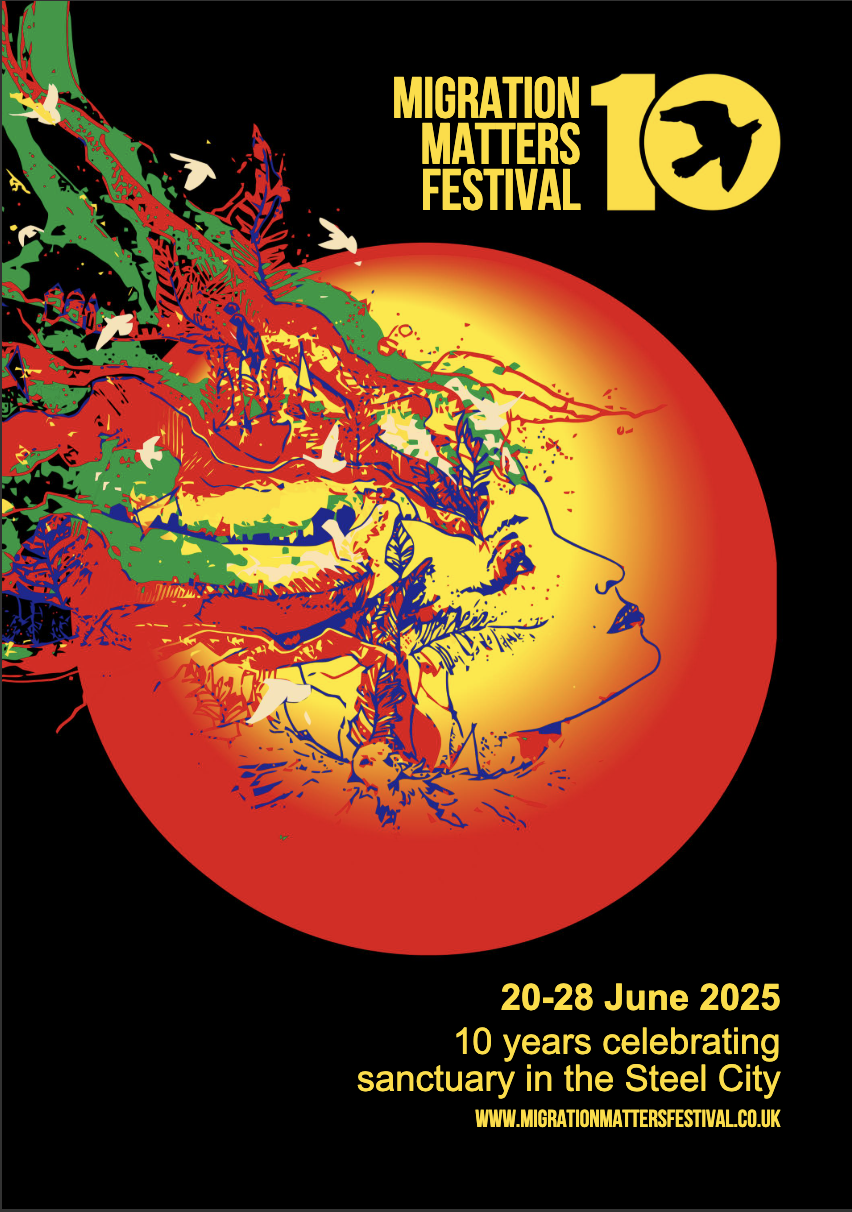
This image is the poster for Carers on the Move - Interactive Talk at the Migration Matters Festival 2024

Carers on the Move - Interactive Talk at the Migration Matters Festival 2024

This image is the poster for Carers on the Move - Interactive Talk at the Migration Matters Festival 2024
This image is a poster for Carers on the Move - Interactive Talk at the Migration Matters Festival 2024

Since its creation, our NHS has relied greatly on international staff. But what exactly happens when migrant doctors and nurses come to Britain? Equipped with skills, expertise, and experience, they often still face immense challenges when they try to register, find work, and get valued as professionals in Britain.

Carers on the Move features an interactive talk between the public, practitioners, and researchers to generate awareness around these difficulties and discuss possible solutions.

To support that, the discussion weaves together first-hand testimonies, Q&A, a dip into history, and new research.

About Making it to the Registers

Making it to the Registers are a team of researchers, practitioners comprised of Marie-Andrée Jacob, Priyasha Saksena, Nasreen Ali, Amrita Limbu, Rukia Saleem, Nelson Enah, Emma Matthews, Rajeev Gupta and Manou Sundararaj

Newsletter 2

Newsletter 2

Dear Reader,

In this second newsletter, we share some of our upcoming public engagement events, and updates from the project and the team.

We are also happy to share that we are now nearing completion of the qualitative research with overseas-trained healthcare professionals and thank everyone who shared their experiences with us, or helped to reach out to potential participants.

Best wishes from the Making it to the Registers team!

Marie, Priyasha, Nasreen, Rukia, and Amrita

Upcoming Public Engagements
2025 W G Hart Legal Workshop

Along with Dr Adrienne Yong (City Law School, University of London) and Dr Amanda Spalding (University of Leeds), the Making it to the Registers project team at the University of Leeds Dr Priyasha Saksena (Primary Investigator), Dr Amrita Limbu, and Professor Marie-Andrée Jacob have secured the 2025 W G Hart Legal Workshop grant from the Institute of Advanced Legal Studies (IALS). The workshop ‘Regulating the Global Movement of Care’ will be held at IALS in London in June 2025. See link for details. 

Migration Matters Festival 2024

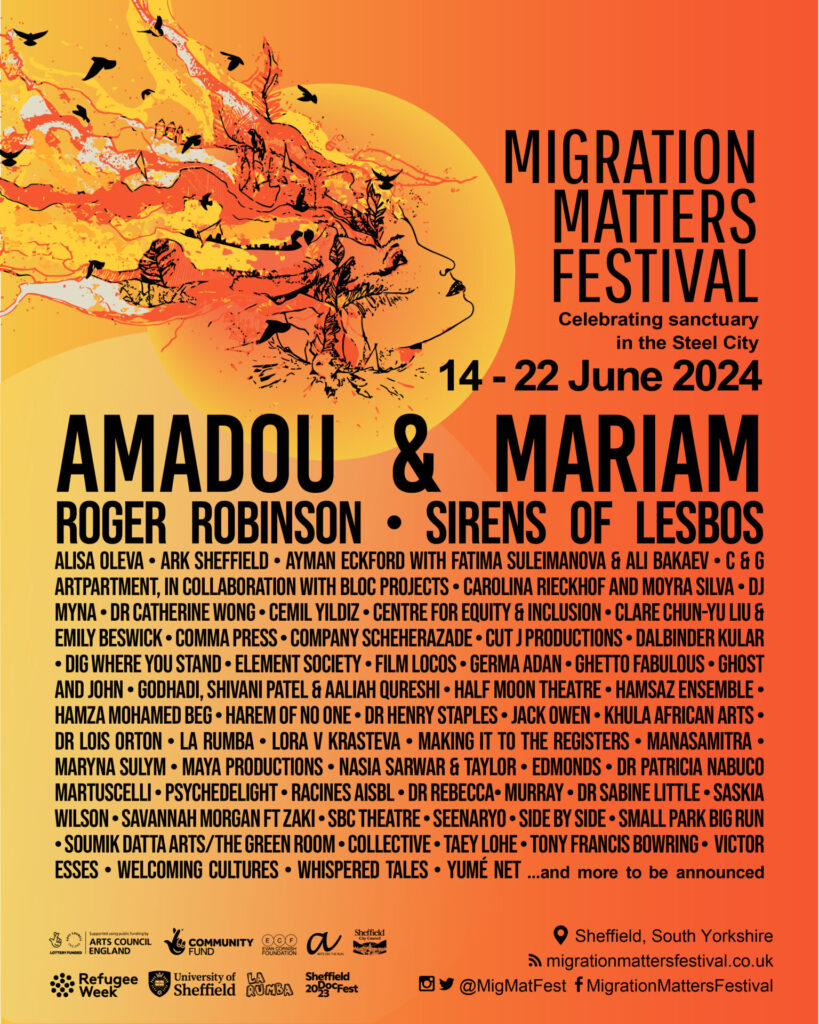
Our proposal for a talk at the Migration Matters Festival has been accepted. For the talk titled ‘Carers on the Move’ the project team Marie-Andrée Jacob, Priyasha Saksena, and Amrita Limbu (University of Leeds) and Nasreen Ali and Rukia Saleem (University of Bedfordshire) have teamed up with Dr Manou Sundararaj (Leeds Teaching Hospitals NHS Trust), Nelson Enah (nurse), Emma Mathews (ReSTORE representative), and Dr Rajeev Gupta (BAPIO representative). The talk is scheduled for Thursday 20th June, 3 pm to 4:30 pm at the Soft Ground, 37 The Moor, Sheffield. See link for details Carers On The Move — Migration Matters (migrationmattersfestival.co.uk)

Migration Matters Festival, one of Britain’s largest festivals about sanctuary and refugees in the country returns to Sheffield every June. Our talk will be part of this vibrant festival that showcases powerful community celebrations with a strong emphasis on platforming refugees and people who have experienced displacement, detention, or the UK’s asylum system. See link for the festival events 2024 Line-Up — Migration Matters (migrationmattersfestival.co.uk)

The W. G. Hart Legal Workshop is a major annual legal research event organised and hosted by the Institute of Advanced Legal Studies. The workshop series, subsidised by funds from the W. G. Hart Bequest, focuses on a wide range of comparative and international legal issues and topical interests.

Intercultured Festival 2024

We are also pleased to announce success with our proposal for a talk at the Intercultured Festival 2024. Along with the project team, Marie, Nasreen, Priyasha, Rukia, and Amrita, the talk titled ‘Intercultured Conversations: Narratives on Migration and healthcare professionals in the UK’ will include the following panel members: Nelson Enah (nurse) and Sun Sander-Jackson (nurse and Inclusion lead, Sommerset NHS Foundation Trust, Chief Nursing Officers & Chief Midwifery Officer’s BAME SAG Lead – South West Region, and Workforce Race Equality Standard (WRES) Expert). The talk is tentatively scheduled for Thursday, 24th October at 1:30 pm.

Intercultured Festival celebrates the multilayers of cultures and communities, and Bradford as a creative home for all. This year, the festival focuses on three themes – our neighbourhood, protest through art, and creative wellbeing through the medium of music, dance, spoken word, visual art, writing, digital art, or cookery.

New agreement with stage@leeds

We have entered into a new agreement with Stage@Leeds, a youth theatre group to organise a series of public engagement events during autumn 2024.

Marie, Priyasha, and Amrita present at the SLSA Conference

On 26th March 2024, Marie-Andrée Jacob, Priyasha Saksena, and Amrita Limbu presented a paper ‘Regulating the Movement of Care through Professional Registration’ at the Socio-Legal Studies Annual Conference 2024 hosted by the University of Portsmouth in Portsmouth.

This is an image of the building where the Socio-Legal Studies Annual Conference conducted.
Blogs

Saksena, Priyasha (2024) The international regulation of healthcare workers? 15 March, makingregisters.leeds.ac.uk/the-international-regulation-of-healthcare-workers

Limbu, Amrita (2024) Uncertainty and insecurity of mobile lives: Migrant nurses in the UK NHS and the renewal and maintenance of professional registration in the home country, 11 April, makingregisters.leeds.ac.uk/uncertainty-and-insecurity-of-mobile-lives-migrant-nurses-in-the-uk-nhs-and-the-renewal-and-maintenance-of-professional-registration-in-the-home-country/

Jacob, Marie-Andrée (2024) Turning the tables on the language skills of overseas trained doctors? A prompt from the British Medical Journal, 01 May, makingregisters.leeds.ac.uk/turning-the-tables-on-the-language-skills-of-overseas-trained-doctors-a-prompt-from-the-british-medical-journal/

Project Team’s Corner

Professor Nasreen Ali and Rukia Saleem from the University of Bedfordshire led several outreach events throughout February 2024 to help contribute to the development of an inclusive health and social care workforce, as part of the Collaborative Targeted Outreach Programme (CTOP).

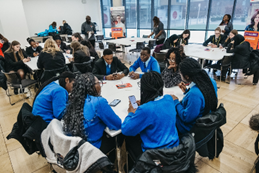
The Collaborative Targeted Outreach Programme aims to engage with young people, parents, career-switchers, and under-represented groups from diverse ethnic backgrounds to improve their knowledge and perceptions of nursing, midwifery, allied health professions and social work. These events were interactive, and attendees were able to find out about courses and careers in health and social care, had the opportunity to hear personal career stories and take part in debates, and much more. 

Alongside these community sessions, Nasreen and Rukia also hosted two outreach events targeted at local schools, encouraging pupils to think about a career in health and social care. Pupils were able to visit the University’s simulation suite and experience events and procedures in a safe environment. 

This is an image of attendees in the Collaborative Targeted Outreach Programme
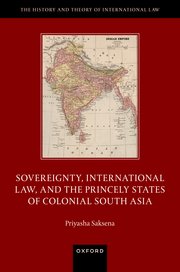
This image is the cover of the book titled Sovereignty, International Law, and the Princely States of Colonial South Asia

Congratulations to Dr Priyasha Saksena whose book ‘Sovereignty, International Law, and the Princely States of Colonial South Asia‘ was shortlisted for this year’s Prize for Early Career Academics by the Socio-Legal Studies Association UK.

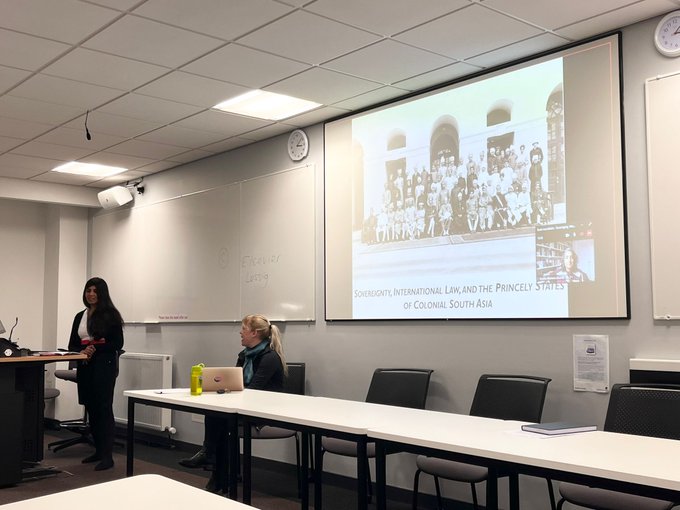
A 2-day hybrid roundtable and panel discussion was organised by the School of Law, University of Leeds as part of the official book launch for Dr Priyasha Saksena’s new monograph Sovereignty, International Law, and the Princely States of Colonial South Asia.

The roundtable on 6th March 2024 brought together experts from several different fields and countries as discussants. At the follow-up panel the next day, discussants presented their research. The events were held at the Liberty Building, School of Law, University of Leeds. Sovereignty, International Law, and the Princely States of Colonial South Asia | School of Law | University of Leeds

This is an image of Dr Priyasha Saksena with Professor Marie-Andrée Jacob at the roundtable and panel discussion
Dr Priyasha Saksena with Professor Marie-Andrée Jacob at the roundtable and panel discussion

Dr Priyasha Saksena in conversation with Dr Alex Batesman in the podcast @NewBooksNetwork to discuss her book ‘Sovereignty, International Law & the Princely States of Colonial South Asia’. Listen to the podcast here Priyasha Saksena, “Sovereignty, International Law, and the Princely States of Colonial South Asia” (Oxford UP, 2023) – New Books in Law | Podcast on Spotify

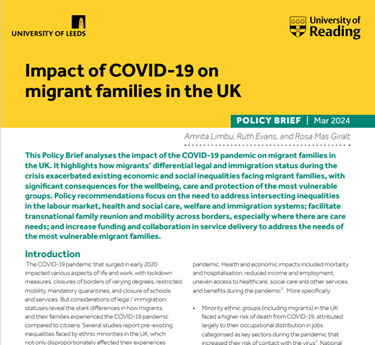
Amrita Limbu published a policy brief ‘Impact of COVID-19 on migrant families in the UK’ in March 2024, co-authored with Professor Ruth Evans, University of Reading and Dr Rosa Mas Giralt, University of Leeds, SAGES/GES Policy Brief March 2024 (reading.ac.uk)

Marie-Andrée Jacob (co-I) along with Anna Macdonald (PI, Central Saint Martins, University of the Arts London) were awarded £35,880 by the Arts and Humanities Research Council for the Research Networking Grant The Choreography of Consent: experiments in dance/law research. Partner organisations include People Dancing: Foundation for community dance; and Independent Dance. The Network will comprise of a series of workshop and an exhibition. It will start in October 2024 and last 18 months.

This is an screenshot of the Impact of COVID-19 on migrant families in the UK report from the University of Leeds. The original report can be accessed here: https://campaignmonitor.leeds.ac.uk/t/y-l-mbotd-dhitqtdji-p/

Making it to the Registers team secure grant from the Institute of Advanced Legal Studies (IALS)

Making it to the Registers team secure grant from the Institute of Advanced Legal Studies (IALS)

WEDNESDAY 1 MAY 2024

The Making it to the Registers project team at the University of Leeds including Dr Amrita Limbu, Professor Marie-Andrée Jacob, Dr Priyasha Saksena (Primary Investigator), along with  Dr Amanda Spalding (University of Leeds), and Dr Adrienne Yong (the City Law School) have successfully secured the 2025 W G Hart Legal Workshop grant from the Institute of Advanced Legal Studies (IALS).

Visit this School of Law news link for more details Centre for Law and Social Justice staff secure grant from the Institute of Advanced Legal Studies | School of Law | University of Leeds